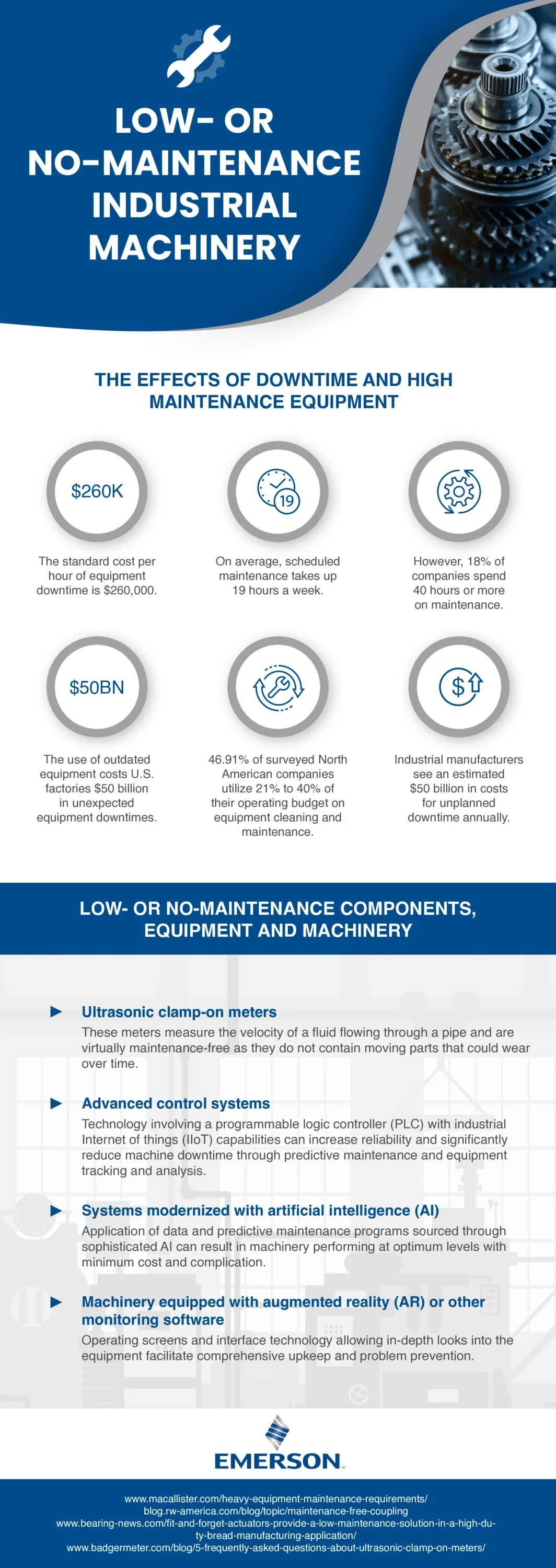

Reducing maintenance costs and minimizing downtime are essential for industrial businesses aiming to improve operational efficiency and maximize return on investment (ROI). Equipment failures and unplanned downtime lead to significant financial losses, making proactive maintenance strategies and modern technologies crucial for staying competitive.
The maintenance, repair, and operations (MRO) sector represents a major financial commitment for industrial settings. Aging assets, mechanical failures, operator mistakes, and inadequate maintenance planning are among the leading causes of unexpected downtime. Without a structured approach to equipment upkeep, businesses may face frequent breakdowns, production delays, and costly repairs.
A highly effective way to mitigate maintenance issues is by integrating components that require minimal upkeep. One example is ultrasonic clamp-on meters, widely used in industries such as water distribution. These meters lack moving parts, making them virtually maintenance-free and reducing the need for frequent servicing, ultimately lowering long-term operational expenses.
Implementing a comprehensive preventive maintenance (PM) program is another key approach. Preventive maintenance follows a scheduled plan designed to identify and resolve potential equipment issues before they lead to failure. This strategy extends equipment life, enhances reliability, and helps businesses avoid costly downtime. However, PM does increase the total cost of ownership and must be tailored to each type of machinery to ensure efficiency.
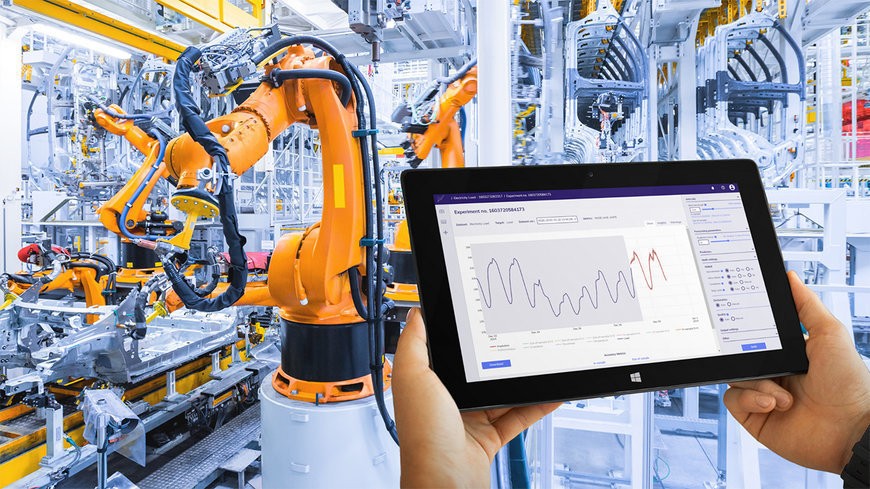
An even more advanced strategy is predictive maintenance (PdM), which leverages real-time data and analytics to monitor equipment performance. PdM detects early signs of wear and tear, allowing maintenance teams to intervene before failures occur. By analyzing sensor data, businesses can schedule maintenance tasks only when necessary, avoiding unnecessary servicing and reducing overall costs.
Predictive maintenance employs smart monitoring systems that continuously track factors like vibrations, temperature changes, and operational performance. This data-driven approach allows for optimized maintenance schedules, reduced unplanned downtime, and better asset performance, making it a valuable investment for long-term efficiency.
Successfully managing industrial maintenance requires a combination of strategic planning, innovative technology, and the right maintenance techniques. By adopting low-maintenance components, implementing preventive maintenance programs, and leveraging predictive analytics, businesses can reduce costs, improve productivity, and maximize the lifespan of their equipment.
For additional insights into industrial maintenance strategies, consult the accompanying resource created by Emerson.