
In today’s global climate, reducing toxic emissions from industrial sectors is not just an environmental concern—it’s a public health imperative. Clean air should be recognized as a fundamental human right, but without proper legislative frameworks and strong incentives, many companies continue to pollute excessively, contributing to health risks and environmental degradation.
The links between air pollution and health concerns such as cancer, respiratory illnesses, stroke, and heart disease are growing stronger each day. Clean air is not just a matter of improving quality of life; it also supports healthier workforces. Studies suggest that if significant measures are not taken to reduce industrial emissions by 2060, the global workforce could experience a loss of 3.8 billion workdays per year, severely impacting economic productivity.
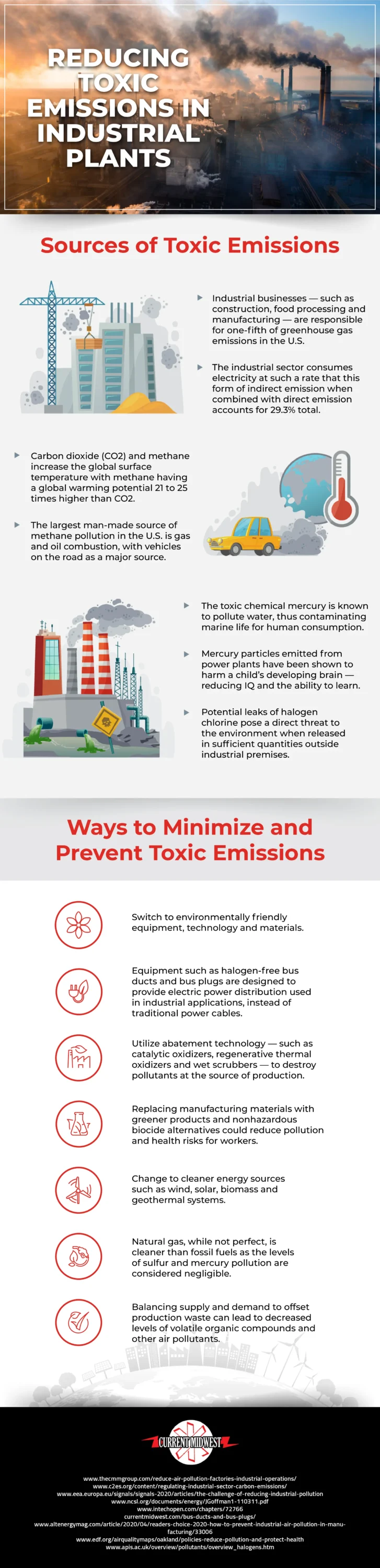
The industrial sector plays a vital role in the global economy, but it also accounts for a significant portion of greenhouse gas emissions, contributing one-fifth of the total emissions in the U.S. Additionally, industries are responsible for releasing a wide range of pollutants into the air, water, and soil. Dangerous aerosols, solid particles, toxic gases, and vapors are common byproducts of industrial operations. With the sector consuming around 25% of the total U.S. electricity sales and generating vast amounts of toxic waste, the call for change has never been more urgent.
So, how can industries reduce their harmful impact on air, soil, and water pollution? There are several measures that industrial companies can take to lower their emissions and reduce environmental damage. The adoption of advanced technologies, such as abatement systems, responsible sourcing of materials, and the use of state-of-the-art equipment, can significantly help mitigate pollution levels.
One crucial area of focus is the reduction of harmful chemicals in power distribution systems. Halogen-free bus ducts and bus plugs, for instance, help reduce chlorine and other dangerous chemicals commonly produced in traditional power distribution methods. Additionally, industrial cooling towers, which are essential in many industrial processes, can be optimized to minimize harmful emissions and energy consumption while improving operational efficiency.
Furthermore, several advanced technologies are available to reduce or even eliminate pollutants during production processes. These include catalytic oxidizers, rotary concentrators, and wet scrubbers, all of which capture harmful emissions before they are released into the atmosphere. The use of green materials and nonhazardous biocide alternatives may carry higher initial costs but can be instrumental in reducing toxic waste in water, air, and the environment. These approaches not only reduce environmental harm but also help safeguard worker health and contribute to a better quality of life for local communities.
Sustainable, clean energy practices and green industrial standards are no longer just forward-thinking concepts—they are essential steps for the industries of today. By changing how materials are sourced, how energy is produced, and how pollutants are managed, companies can lead the way toward a healthier and more sustainable future.
The need for improved fuel efficiency and reduced pollutant emissions is immediate. For industries to align with environmental standards and best practices, stronger legislation and better monitoring systems must be in place. Achieving zero pollution will require industries to innovate and adapt, making fundamental changes to ensure that humanity has a viable future.
For more information on tackling industrial pollution, see the accompanying resource.