

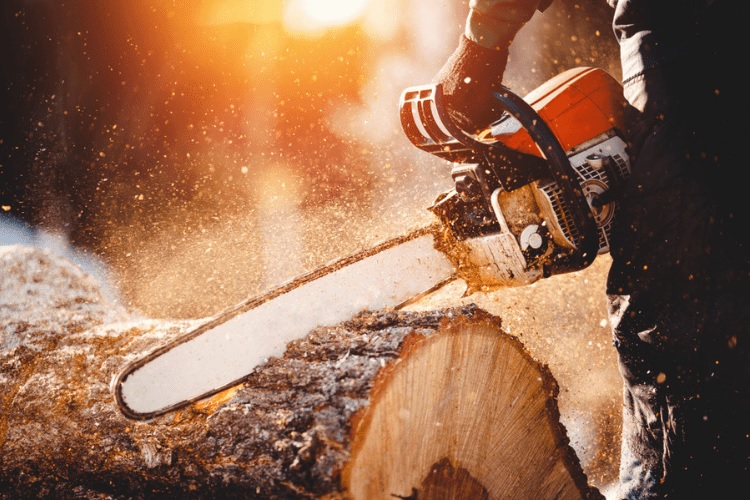
As chainsaw technology continues to evolve, selecting the right chain is critical for achieving optimal performance and safety in cutting tasks. In 2025, a myriad of chainsaw chains are available on the market, each designed for specific applications and user preferences. Whether you are a professional arborist, a dedicated lumberjack, or a weekend warrior tackling backyard projects, understanding the nuances of chainsaw chains is essential for maximizing efficiency and ensuring smooth operation. This article delves into the best chains available for chainsaw use this year, evaluating criteria such as cutting speed, durability, vibration dampening, and compatibility with various chainsaw models. We will explore options ranging from low-profile chains that provide safer cutting experiences for novice users to aggressive chains engineered for professional-grade performance in demanding environments. Additionally, considerations for maintenance and sharpening techniques will be highlighted to enhance longevity and functionality. Join us as we uncover the top picks for chainsaw chains in 2025, empowering you to make informed decisions that elevate your cutting experience and achieve exceptional results in any project.
Key Features of Best Chainsaw Chains
When evaluating the best chain for chainsaw use, several essential features come to the forefront. First and foremost, the pitch and gauge of the chain are critical, as they must match the chainsaw bar specifications for optimal performance. A well-matched chain ensures smooth operation and minimizes wear on both the chain and the bar. Additionally, the number of drive links affects the stability and cutting speed; a greater number of links can provide a more robust cutting experience, while fewer links may enhance maneuverability in tight spaces.
Another significant aspect is the material composition of the chain. High-quality chains are typically made from hardened steel, offering enhanced durability and resistance to dulling, even under heavy use. Chains may also feature advanced cutting tooth designs, such as full chisel or semi-chisel, which cater to different cutting tasks and wood types. The presence of anti-kickback features and low-vibration designs further enhances user safety and comfort, making these specifications vital for identifying the best chain for chainsaw applications.
Top Chainsaw Chains for 2025
With the evolving demands of forestry and landscaping, the best chain for chainsaw applications in 2025 emphasizes adaptability and efficiency. Leading manufacturers are now offering chains that incorporate innovations in tooth geometry and cutting angles, optimizing performance for both hardwood and softwood applications. These advancements allow for faster cutting speeds while maintaining control, crucial for professional users who require precision under varied conditions.
Moreover, the trend towards lightweight, yet strong materials continues to shape the landscape of chainsaw chains. Options that blend resilience with reduced weight enhance user comfort, particularly during extended periods of operation. Additionally, chains with low-kickback designs are gaining traction, as they enhance safety without sacrificing cutting efficiency. As users look for chains that combine durability, versatility, and safety, these developments are set to redefine the best chain for chainsaw utilization in the coming year.
How to Choose the Best Chain
When selecting the best chain for chainsaw use, it’s essential to consider several critical factors that influence performance and user safety. First, assess the type of wood you will primarily be cutting, as different chains are designed for specific applications. For instance, a chain with a low tooth count might be better suited for softer woods, while a chain with more teeth can provide smoother cuts in harder materials. Additionally, understanding the specifications of your chainsaw, such as the bar length and drive link count, ensures compatibility and optimal performance.
Another important consideration is the chain’s design features, such as pitch, gauge, and tooth shape. These elements not only affect cutting efficiency but also impact the ease of maintenance and sharpening. Choosing a chain with a durable construction can enhance longevity, making it a worthwhile investment. Lastly, prioritize safety features, such as low-kickback designs, which can significantly reduce the risk of accidents during operation. By evaluating these factors thoroughly, users can confidently select the best chain for chainsaw applications to meet their specific needs.
In conclusion, selecting the right chainsaw chain is pivotal for optimizing performance and ensuring safety during cutting tasks. As we move further into 2025, our top picks exemplify a balance of durability, efficiency, and adaptability, catering to various user needs, whether for professional logging or occasional backyard maintenance. By considering factors such as pitch, gauge, and tooth design, users can enhance their chainsaw’s effectiveness and longevity. Investing in a high-quality chain not only improves your cutting experience but also contributes to the overall performance of your chainsaw. As technology continues to evolve, staying informed about the latest advancements will empower you to make sound decisions that elevate your chainsaw operations.