

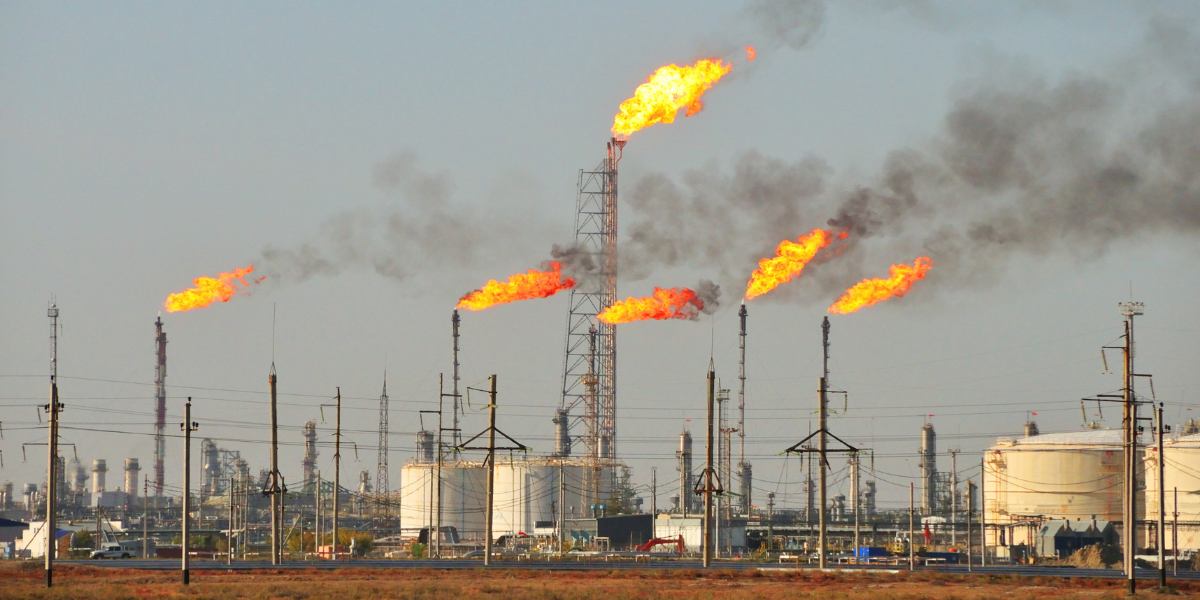
The oil and gas industry is a cornerstone of the global economy, supplying energy to billions of people worldwide. With such a massive infrastructure to maintain, ensuring the reliability and efficiency of critical equipment is a top priority. The industry’s machinery operates under extreme conditions, from high temperatures and corrosive chemicals to high-pressure drilling and refining processes. Without proper maintenance, even minor failures can escalate into costly disruptions, safety hazards, and environmental risks. Here, we explore the vital role of equipment maintenance in the oil and gas sector and the latest advancements driving efficiency.
Oil and gas operations subject machinery to some of the most demanding conditions in industrial settings. Drilling rigs, refineries, pipelines, and offshore platforms all require continuous monitoring and maintenance to function safely and efficiently. For example, crude oil processing involves exposure to abrasive contaminants, which can accelerate wear on pumps and valves. Similarly, offshore facilities must combat relentless exposure to saltwater, increasing the risk of corrosion and structural degradation. To mitigate these challenges, companies deploy multiple maintenance strategies tailored to specific operational needs.
One of the foundational maintenance approaches in the industry is preventive maintenance (PM). This proactive strategy schedules routine servicing based on time intervals or equipment usage metrics, aiming to prevent breakdowns before they occur. PM involves inspections, lubrication, component replacements, and periodic overhauls to maintain machinery in optimal condition. While effective, this method can sometimes lead to unnecessary maintenance if not refined with real-time data.
To enhance efficiency, many companies are adopting predictive maintenance (PdM), which uses real-time asset monitoring and analytics to detect early signs of equipment failure. PdM employs technologies such as vibration analysis, thermal imaging, and AI-driven diagnostics to predict when maintenance is truly needed, reducing both costs and downtime. By implementing PdM, companies can optimize resource allocation, extend equipment lifespans, and improve overall operational reliability.
Corrosion management is another crucial element of equipment maintenance. The oil and gas sector heavily invests in corrosion prevention techniques, including specialized coatings, advanced alloys, and cathodic protection systems. By proactively managing corrosion risks, companies can prevent structural failures, reduce maintenance costs, and ensure compliance with safety regulations.
With the rise of digital transformation, oil and gas companies are leveraging IoT, AI, and automation to enhance their maintenance strategies further. Remote monitoring solutions, digital twins, and predictive analytics are redefining how maintenance is approached, allowing for more data-driven decision-making.
By prioritizing smart maintenance strategies, oil and gas companies can maximize equipment efficiency, reduce operational risks, and ensure a sustainable future for the industry. For more information, consult the accompanying resource developed by Smartcorr Systems, providers of a premier cathodic protection system.
