

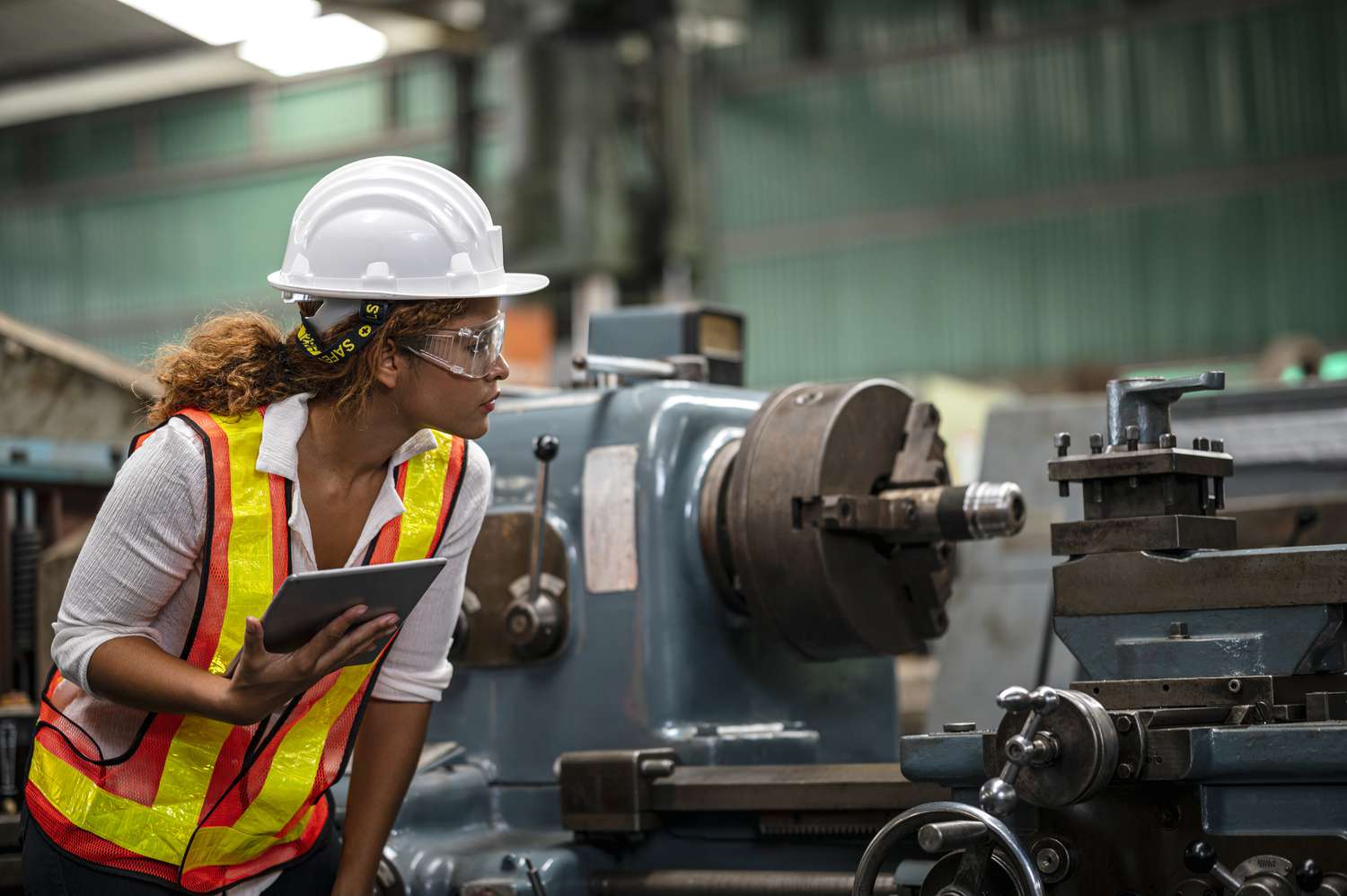
The word “industry” conjures images of massive factories, sprawling warehouses, and assembly lines humming with activity, but the concept of industry is far more nuanced and multifaceted than this. At its core, industry refers to the production of goods or services within an economy, typically through the use of raw materials, labor, and machinery. However, its scope has expanded greatly, evolving alongside technological advancements, economic shifts, and changing societal needs. Today, the term “industry” is a dynamic and all-encompassing concept that shapes not only economies but also cultures, social structures, and the very fabric of modern life. In this article, we will explore the evolution of industry, its key sectors, the challenges it faces, and its future trajectory in a rapidly transforming world.
The history of industry is intrinsically linked to human progress, starting with the advent of agriculture and early manufacturing processes. In ancient civilizations, industries were largely localized and based on craftsmanship. Artisans and tradespeople produced goods like pottery, textiles, and tools, using manual labor and rudimentary technology. The Industrial Revolution, however, marked the beginning of a profound transformation. Beginning in the late 18th century and continuing into the 19th, new technologies such as the steam engine, mechanized looms, and mass production techniques reshaped industries and fundamentally altered the economic landscape. This period saw the birth of factory systems, the rise of industrial cities, and the emergence of modern capitalism.
The core industries of the time—textiles, steel, coal, and railroads—expanded rapidly, creating new job opportunities, fostering innovation, and triggering unprecedented urbanization. By the early 20th century, the proliferation of automobile manufacturing and consumer goods industries further cemented the role of mass production in driving economic growth. The scale of industrial output and the efficiency of production became the primary measures of success, shaping the global economy for generations to come.
Fast forward to today, and industries have become increasingly diverse, specialized, and interconnected. No longer confined to the traditional sectors of manufacturing, modern industry now encompasses a broad range of sectors, from technology and finance to healthcare and entertainment. The rise of the service economy has led to the proliferation of industries focused on software development, digital platforms, and professional services. The technology sector, in particular, has seen extraordinary growth, with companies like Apple, Google, and Amazon becoming dominant players that have fundamentally altered the way goods and services are produced and consumed.
The shift from manufacturing-based economies to knowledge-based economies has led to a significant transformation in how industries operate. In advanced economies, industries now rely heavily on innovation, intellectual property, and the integration of digital technologies. Automation, artificial intelligence, and big data are revolutionizing not just the way products are made but also the way industries deliver value. The manufacturing of goods, for example, is no longer a manual process confined to factory floors; it is increasingly driven by robots, sensors, and interconnected systems that allow for real-time data analysis and predictive maintenance. These technologies have resulted in what’s known as “Industry 4.0,” a term that signifies the integration of cyber-physical systems into manufacturing and other sectors.
Despite these advancements, industries across the globe are faced with a myriad of challenges that are reshaping their trajectories. One of the most pressing issues today is sustainability. The environmental impact of industrial activities has become a critical concern, as industries are major contributors to greenhouse gas emissions, waste generation, and resource depletion. The need for more sustainable practices has led to the rise of green industries, such as renewable energy, sustainable agriculture, and eco-friendly manufacturing. Companies and governments alike are increasingly focusing on reducing their carbon footprints, adopting circular economy principles, and investing in technologies that promote environmental sustainability. Industries that can successfully integrate sustainability into their core business models stand to benefit not only from regulatory incentives but also from shifting consumer preferences towards more ethical and environmentally responsible brands.
Another significant challenge facing industries today is the ever-increasing pace of globalization. While globalization has opened new markets and created unprecedented opportunities for growth, it has also brought about heightened competition, supply chain complexities, and geopolitical risks. Industries now have to navigate an interconnected world where trade policies, tariffs, and international regulations can profoundly affect operations. The COVID-19 pandemic further underscored the vulnerabilities of global supply chains, revealing how fragile they can be in the face of disruptions. As industries look to the future, they must find ways to mitigate these risks, diversify their supply sources, and adapt to an increasingly volatile global environment.
Technology, once again, plays a pivotal role in addressing these challenges. The advent of digital transformation—enabled by cloud computing, the Internet of Things (IoT), and advanced analytics—has empowered industries to become more agile, efficient, and resilient. In manufacturing, for example, predictive analytics can forecast equipment failure before it happens, reducing downtime and maintenance costs. In agriculture, IoT sensors help monitor soil health and crop conditions in real time, enabling more efficient water usage and minimizing waste. As industries embrace these technologies, they gain the ability to operate more sustainably, reduce costs, and better serve their customers.
However, the integration of new technologies also raises concerns about the future of work. As industries increasingly rely on automation and artificial intelligence, questions about job displacement and workforce transformation come to the forefront. Will automation replace human labor entirely in certain sectors, or will it create new opportunities for workers to focus on more value-added tasks? The answer is likely a mix of both, as industries look to upskill their workforce and offer new types of employment that complement technological advancements. The challenge will be in ensuring that workers are prepared for the shifts in the job market and that the benefits of industrial innovation are shared equitably.
Looking ahead, the future of industry seems poised for continued disruption. Emerging fields like biotechnology, quantum computing, and space exploration are creating new industries that were once the realm of science fiction. As industries evolve and diversify, they will likely become even more interconnected, with supply chains, production processes, and markets becoming increasingly global and interdependent. The industries of tomorrow will require a delicate balance between leveraging technological advancements, addressing environmental challenges, and adapting to a changing workforce.
In conclusion, the concept of industry is no longer confined to the smokestacks of the past or the factories of yesteryear. It has evolved into a vast and multifaceted network of sectors that touch every aspect of our lives. From manufacturing and technology to finance and healthcare, industries are at the heart of global economic growth and development. However, as industries face new challenges related to sustainability, globalization, and technological disruption, they must innovate and adapt to ensure their continued relevance and success. The future of industry will be shaped by those companies and sectors that are able to integrate emerging technologies, embrace sustainability, and cultivate a resilient and adaptive workforce capable of thriving in an ever-changing world.