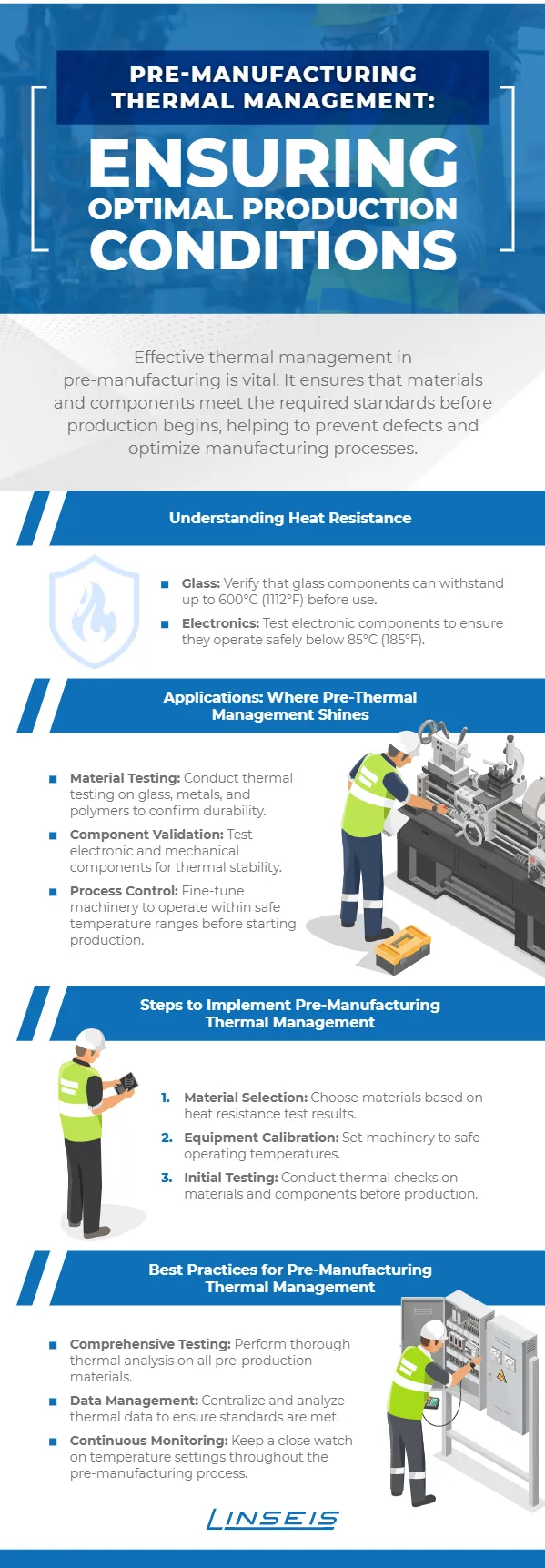

Maintaining optimal temperatures in industrial settings is essential for keeping equipment reliable and preventing costly failures. Predictive thermal management plays a crucial role in industrial maintenance strategies, helping companies anticipate and address potential issues before they disrupt operations. By leveraging advanced monitoring techniques, businesses can improve efficiency, reduce downtime, and extend equipment lifespan.
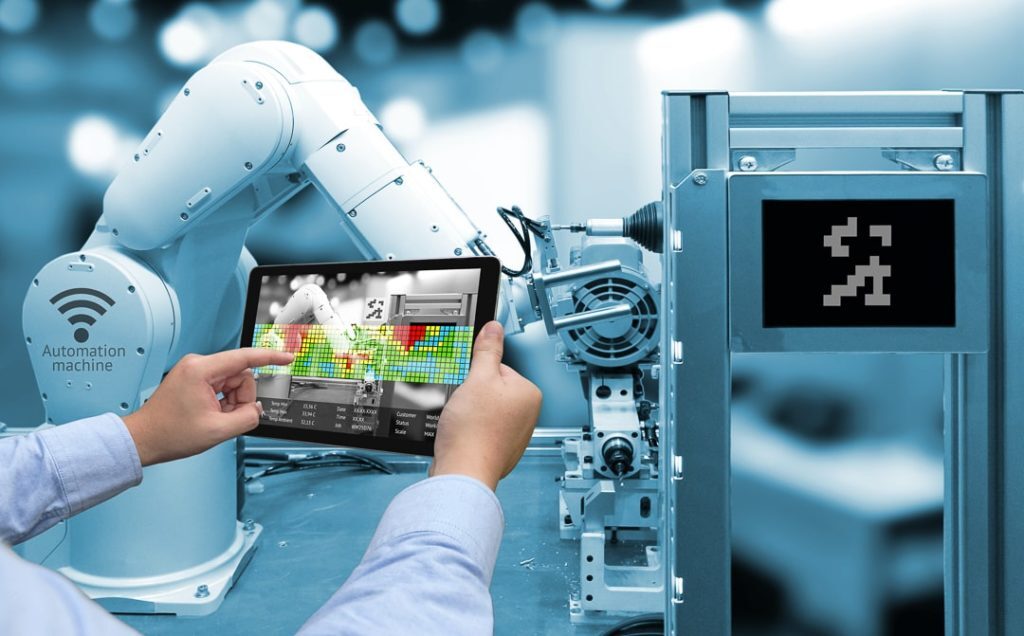
One of the most effective tools in predictive thermal management is thermal imaging. This non-invasive technology captures infrared radiation emitted by machinery, highlighting temperature variations that may indicate wear, friction, or electrical faults. By detecting hotspots early, maintenance teams can intervene before minor inefficiencies turn into major failures. Routine thermal scans help optimize cooling systems, adjust lubrication schedules, and replace failing components proactively.
The materials used in industrial applications also contribute significantly to thermal stability. Heat-resistant materials such as borosilicate glass and advanced glass-ceramics can withstand extreme temperatures, ensuring reliable performance in high-heat environments. Similarly, electronic components must operate within designated temperature thresholds to prevent overheating and potential malfunctions. By continuously monitoring these factors, industries can maintain operational consistency and prevent premature breakdowns.
Comprehensive thermal management also involves integrating multiple predictive technologies. Combining thermal analysis with vibration monitoring, motor diagnostics, and fluid analysis provides a complete picture of equipment health. This data-driven approach allows for precise maintenance planning, reducing unexpected downtime and optimizing resource allocation.
Successful thermal management depends on skilled personnel who can interpret data accurately and respond effectively. Training maintenance teams in thermal imaging technology such as a thermogravimetric analyzer, data analysis, and emerging predictive maintenance strategies ensures that companies stay ahead of equipment failures. With the right tools and expertise, industries can maximize uptime, minimize energy waste, and enhance overall productivity.
For more insights into predictive thermal management and its role in industrial performance, refer to the accompanying resource.