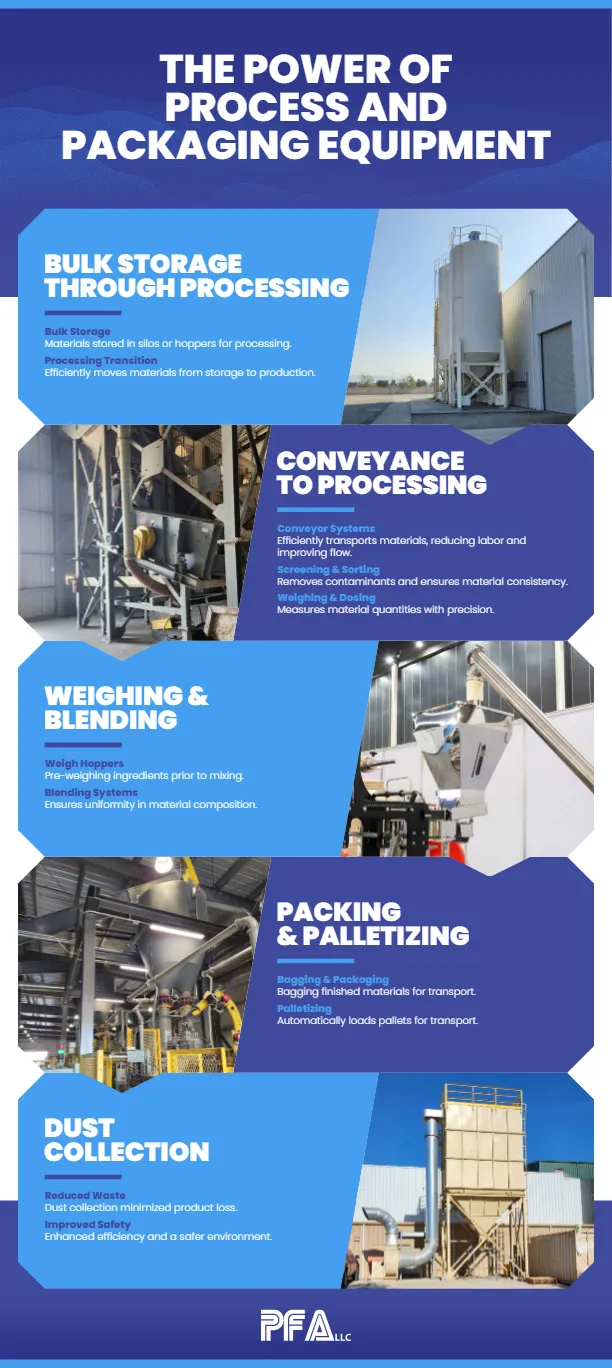

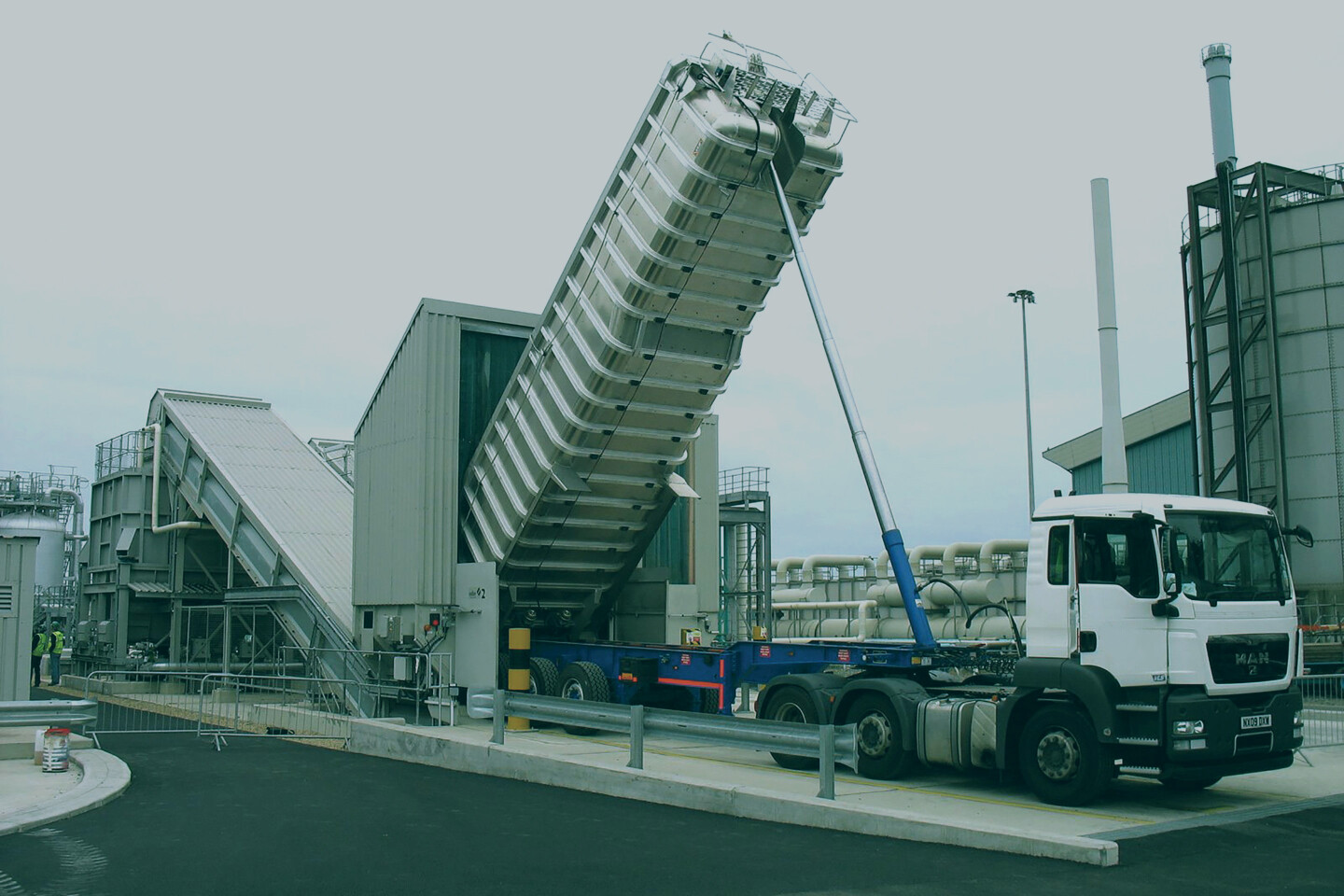
Bulk material handling is a critical process for industries ranging from mining and agriculture to food production and pharmaceuticals. Moving, storing, and managing large quantities of materials—such as grains, cement, ores, and chemicals—requires efficient and reliable systems. By integrating advanced technologies and strategic designs, companies can improve safety, reduce waste, and streamline operations.
The effectiveness of bulk material handling begins with understanding the unique properties of each material. Particle size, density, moisture content, and flow characteristics all influence how materials behave during transport and storage. Fine powders may require dust suppression systems, while abrasive materials demand durable equipment to prevent wear. Addressing these factors ensures that operations run smoothly while minimizing risks.
A variety of equipment is used to facilitate bulk material movement. Conveyor belts, such as bagging conveyors, transport materials efficiently within a facility, while hoppers and silos provide secure storage solutions designed to accommodate different material types. Feeders regulate material flow, preventing blockages and optimizing processing speeds. Modern handling systems also incorporate automated controls, improving accuracy and reducing the need for manual labor.
Automation has become a game-changer in bulk material handling. Smart systems equipped with sensors and remote monitoring capabilities enable real-time adjustments to material flow, reducing human error and enhancing operational efficiency. Automated weighing and dosing technologies improve precision, while predictive maintenance tools help prevent costly equipment failures. These innovations not only improve productivity but also create safer work environments by reducing the need for direct contact with hazardous materials.
Environmental responsibility is another key consideration. Dust control measures, such as enclosed conveyors and high-efficiency filters, help prevent airborne contamination and protect worker health. Additionally, energy-efficient material transport systems reduce power consumption, lowering overall costs while supporting sustainability goals. By integrating eco-friendly practices into their operations, businesses can achieve long-term savings while meeting stricter environmental regulations.
As industries continue to evolve, bulk material handling systems must adapt to keep pace. Companies that invest in innovative solutions, automation, and sustainability measures will gain a competitive edge, ensuring efficiency, safety, and cost-effectiveness. For a deeper dive into the latest trends shaping bulk material handling, refer to the accompanying resource.