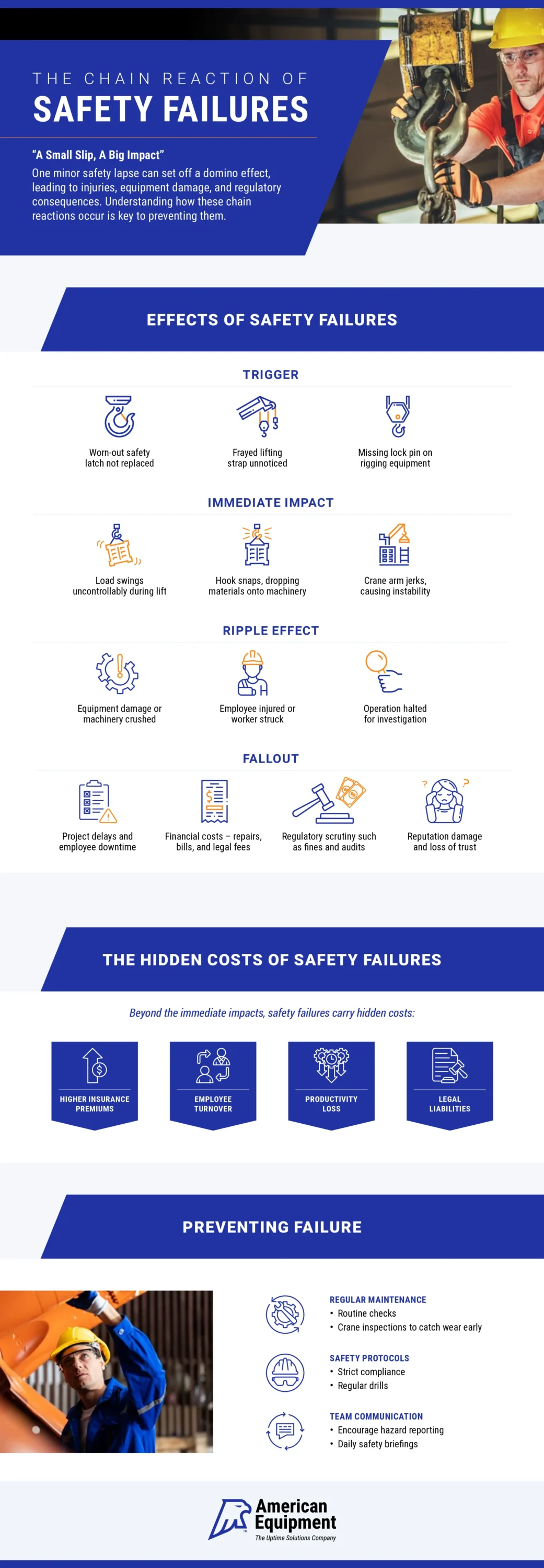

In crane operations, safety isn’t just a priority — it’s a necessity. A single lapse, no matter how small, can trigger a series of events with far-reaching consequences. While it’s easy to focus on immediate risks like equipment damage or worker injury, the ripple effect of safety failures often extends much further, impacting project timelines, financial stability, and even a company’s reputation.
The Overlooked Elements of Safety Failures
While common hazards like loose bolts or missed inspections are well known, several other factors often go unnoticed but can be equally dangerous.
- Human Factors: Fatigue, complacency, and insufficient training play a significant role in safety incidents. Long shifts without proper breaks can dull an operator’s attention, while experienced crew members might overlook critical details out of routine familiarity. Ongoing, comprehensive training is essential for everyone on-site, regardless of experience.
- Environmental Conditions: Weather can be an unpredictable risk multiplier. High winds, extreme temperatures, and poor visibility can push even well-maintained equipment beyond its limits. Ignoring these conditions or failing to adjust operations accordingly can quickly lead to accidents.
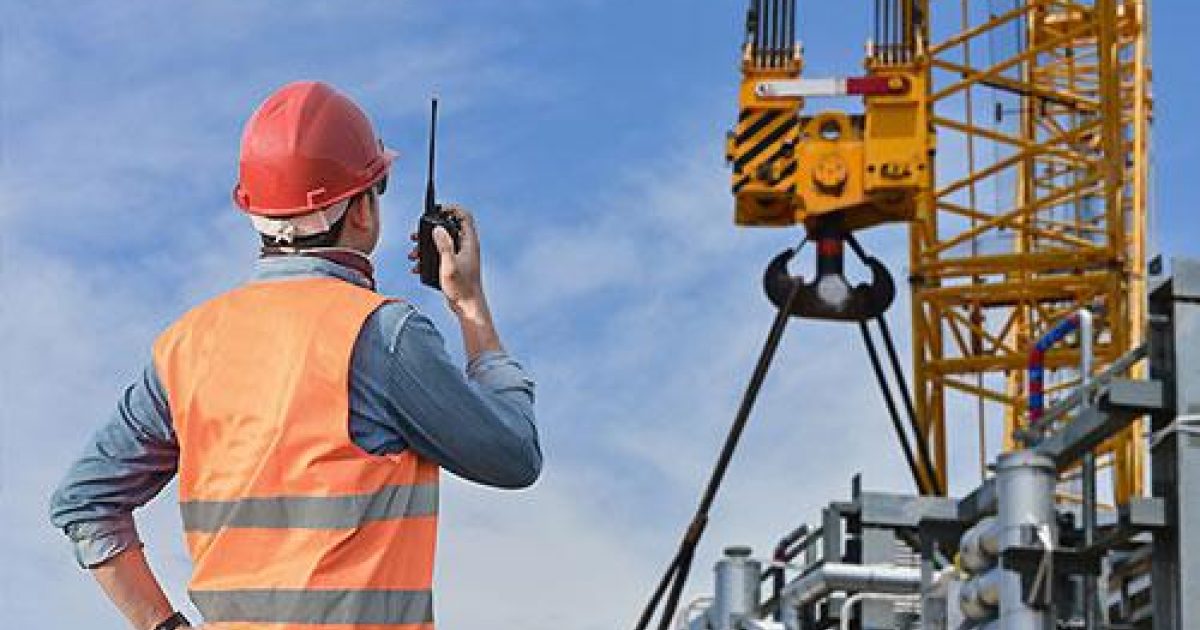
- Communication Gaps: Clear, consistent communication is the backbone of a safe work environment. Misinterpreted signals, missed radio calls, or unclear instructions can lead to dangerous misunderstandings. Strong communication protocols help ensure everyone is aligned and aware of potential hazards.
Proactive Safety Measures Beyond Inspections
Routine industrial crane services and preventive maintenance are critical, but true safety comes from a proactive, integrated approach that includes technology, training, and culture.
- Real-Time Monitoring Systems
Modern cranes often come equipped with telematics and load monitoring systems that detect performance anomalies before they escalate. Real-time data allows operators to address issues immediately, minimizing risk.
- Dynamic Risk Assessments
Risk assessments shouldn’t be static documents. They need to evolve with the job site conditions, identifying new hazards as projects progress and environments change.
- Cultivating a Safety-First Culture
A strong safety culture empowers every team member to take responsibility for identifying and reporting hazards. When safety becomes part of the daily routine — not just a box to check — risks are caught early, and incidents are minimized.
Understanding the chain reaction of safety failures is the first step in preventing them. It’s about more than checking boxes; it’s about creating a mindset where safety is woven into every action, every day.
For further insights on how minor oversights can escalate into major safety concerns, explore the resource below.