

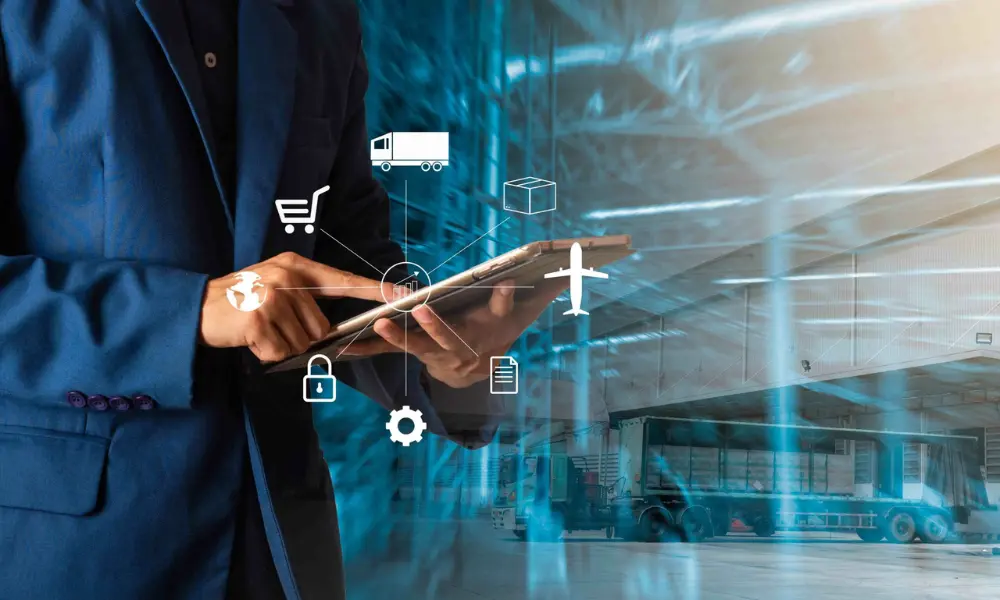
The global manufacturing landscape is undergoing a fundamental transformation. For decades, the dominant strategy for international corporations centered on consolidation: building massive, centralized factories in regions with the lowest labor and operational costs to achieve economies of scale. This model prioritized efficiency above all else, often tethering businesses to fragile, long-distance supply chains. However, as the world navigates an era of geopolitical uncertainty, climate change, and evolving consumer demands, the industry is pivoting toward decentralized manufacturing.
This paradigm shift involves distributing production across multiple smaller, regionalized facilities closer to end markets rather than relying on a single distant hub. By moving production closer to the point of consumption, companies are trading the rigid pursuit of lowest-unit cost for the greater prize of resilience and agility.
Why Decentralization is Gaining Momentum
The primary driver of this transition is the need for operational resilience. Recent global disruptions have exposed the extreme vulnerability of highly centralized networks. When a single facility in a distant country faces shutdowns—due to natural disasters, trade tariffs, or labor disputes—the entire global supply chain grinds to a halt. Decentralized manufacturing mitigates this risk by creating redundancy; if one regional hub goes offline, others within the network can often absorb the load or continue serving their specific markets.
Beyond risk management, decentralization addresses the growing demand for customization. Modern consumers increasingly expect personalized products and rapid delivery. Centralized production, which often relies on massive production runs, struggles to pivot quickly to meet niche or localized preferences. Decentralized micro-factories, on the other hand, are inherently more flexible. They allow firms to manufacture smaller batches, test new products in specific markets, and adapt production schedules in real-time without the overhead of massive, monolithic infrastructure.
Enabling Technologies of the New Era
Decentralized manufacturing would be nearly impossible without the convergence of several Industry 4.0 technologies. These tools provide the digital connectivity required to manage a fragmented physical network.
-
Additive Manufacturing (3D Printing): This is perhaps the most critical enabler of decentralized production. It allows manufacturers to produce complex components on-demand at the point of need. By simply distributing a digital design file to various local hubs, companies can bypass the need for massive inventory of physical parts, effectively turning warehouses into virtual catalogs.
-
Artificial Intelligence and Digital Twins: AI allows companies to simulate and manage complex regional networks with ease. Digital twins—virtual replicas of physical production lines—enable managers to monitor performance across multiple locations simultaneously, ensuring quality standards remain consistent even when production is spread across different continents.
-
Cloud-Based Collaboration Platforms: Seamless data flow is the backbone of decentralization. Engineering specifications, quality control metrics, and demand forecasts must be shared in real-time across the entire network to prevent silos and ensure that every facility is operating with the latest information.
Balancing Efficiency and Flexibility
Critics often point out that decentralization may increase per-unit manufacturing costs compared to the hyper-efficient centralized hubs of the past. It is true that managing multiple smaller facilities requires more complex coordination and potentially higher capital expenditure on localized infrastructure. However, companies are increasingly viewing this through a total-cost-of-ownership lens.
When businesses account for long-term shipping costs, carbon taxes, the risk of lost sales due to stockouts, and the expense of holding massive inventory in central warehouses, the financial argument for decentralization strengthens. By producing closer to the end-user, companies slash logistics costs and significantly reduce their carbon footprint, aligning their operations with modern sustainability goals.
The Strategic Path Forward
Transitioning to a decentralized model is not an overnight process. It requires a strategic redesign of the entire value chain. Organizations must first identify which product lines benefit most from local production and which should remain centralized. High-volume, low-margin commodities may still favor central hubs, while high-value, customizable, or time-sensitive goods are ideal candidates for a decentralized approach.
Building a successful decentralized network also requires a shift in company culture. It demands a move away from command-and-control hierarchies toward a more collaborative environment where regional units are empowered to make decisions that best serve their local markets. This autonomy, supported by robust digital infrastructure, is what ultimately drives the responsiveness that defines the modern, resilient supply chain.
As the industry matures, the divide between the two models will likely blur, resulting in hybrid supply chains. These networks will leverage the scale of centralized facilities for base components and the agility of decentralized hubs for final assembly and customization. This balanced approach will define the next chapter of global commerce, favoring those who can move quickly and adapt to an unpredictable global landscape.
Frequently Asked Questions
How does decentralized manufacturing impact the labor market?
Decentralization creates a demand for a more highly skilled workforce at the regional level. Instead of repetitive, low-skill assembly line tasks, workers at local hubs often manage advanced machinery like 3D printers and automated systems, requiring training in digital literacy and technical maintenance.
Is decentralized manufacturing inherently more sustainable?
Yes, in many ways. By localizing production, companies significantly reduce the fuel and energy consumed in long-distance transportation. Furthermore, the on-demand nature of decentralized manufacturing minimizes overproduction and waste, as items are produced only when needed rather than being manufactured in anticipation of demand.
What role does blockchain play in this shift?
Blockchain provides a secure, immutable ledger to verify the integrity of digital design files and the origin of materials. This is vital when sharing intellectual property or specialized designs across multiple independent or third-party regional manufacturing sites to ensure that the final product meets exact standards.
Does decentralization mean the end of globalization?
No, it marks the evolution of globalization. It shifts the model from one of global dependency—where every node relies on a single point of failure—to a network of regional hubs that are still globally connected through shared data, standards, and strategic oversight.
What is the biggest barrier to adopting this strategy?
The initial capital expenditure required to set up multiple regional production sites is the most significant hurdle. Many companies struggle with the transition cost, particularly when traditional, centralized facilities are already fully depreciated and operational.
Can all industries benefit from decentralizing?
Not necessarily. Industries with extremely high capital requirements for specialized heavy machinery, such as large-scale semiconductor fabrication or primary steel production, may find decentralization technically or economically unfeasible. It is most effective in sectors where lead times, customization, and supply chain fragility are major pain points.