

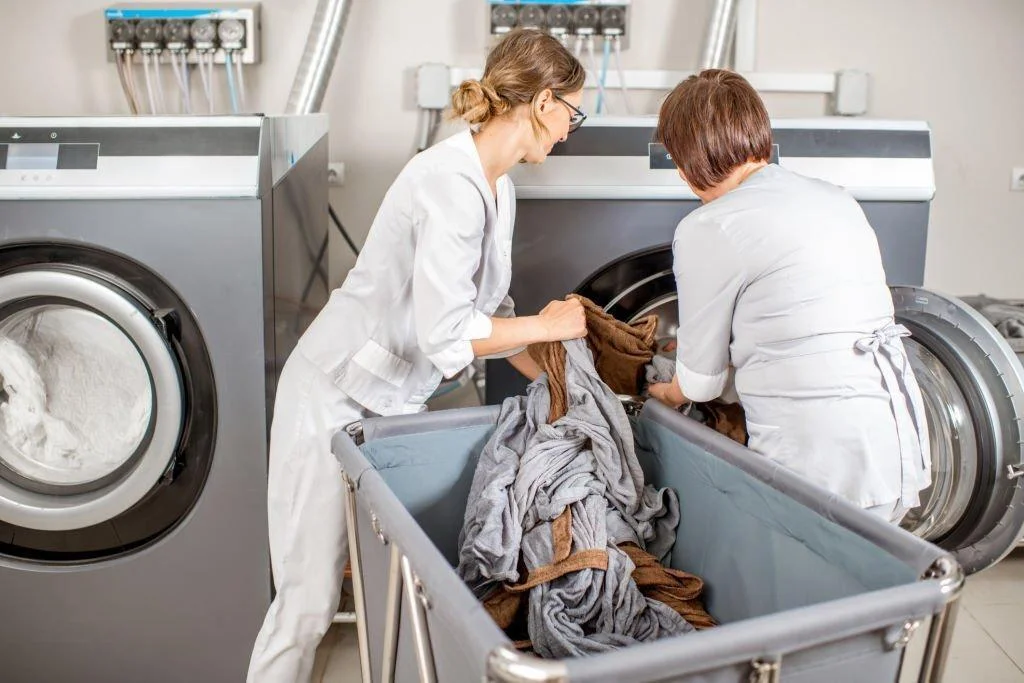
The commercial laundry industry is undergoing a remarkable transformation, driven by technological innovations that are reshaping the way businesses handle their laundry needs. From cutting-edge machinery to advanced software solutions, these advancements promise to revolutionize efficiency, sustainability, and service quality in ways that were once unimaginable. As the industry adapts to these changes, businesses that embrace innovation stand to gain a significant competitive edge.
One of the most impactful developments in commercial laundry technology is the rise of smart systems. These systems leverage the Internet of Things (IoT) to connect laundry equipment to centralized monitoring platforms, allowing businesses to track and manage operations in real time. Smart systems can detect inefficiencies, predict maintenance needs, and optimize cycles based on the type and volume of laundry being processed. This level of precision not only reduces downtime but also ensures that resources such as water and energy are used as efficiently as possible. By minimizing waste and improving reliability, smart systems are setting a new standard for operational excellence in the laundry industry.
Another key area of innovation lies in the machinery itself. High-efficiency washers and dryers equipped with advanced sensors and controls are becoming increasingly common in commercial settings. These machines can automatically adjust water levels, detergent usage, and cycle times based on the load’s specific requirements, ensuring optimal cleaning results with minimal environmental impact. Heat pump technology, which recycles heat generated during the drying process, is also gaining traction as an energy-saving solution. Such advancements not only reduce utility costs but also align with growing demands for environmentally responsible practices.
Sustainability is, in fact, a driving force behind many of the latest technological breakthroughs in commercial laundry. Water recycling systems are an excellent example of how innovation is addressing the industry’s environmental challenges. These systems filter and purify water used during the washing process, making it suitable for reuse. By significantly reducing water consumption, businesses can lower their environmental footprint while also cutting operational costs. Similarly, eco-friendly detergents and cleaning agents are becoming more sophisticated, offering powerful cleaning performance without the harmful chemicals that can damage fabrics and ecosystems.
Automation is another trend that is transforming the future of commercial laundry. Automated sorting systems use artificial intelligence (AI) and robotics to separate laundry items by fabric type, color, or level of soiling. This not only speeds up the sorting process but also reduces the risk of human error, ensuring that items are processed correctly. Automation extends beyond sorting, with robotic folding machines now capable of handling linens and garments with remarkable speed and precision. By automating labor-intensive tasks, businesses can redirect their workforce to more value-driven activities, boosting overall productivity and efficiency.
Digital integration is also playing a pivotal role in modernizing the industry. Advanced software platforms are enabling seamless communication between laundry facilities and their clients. From tracking orders to scheduling pickups and deliveries, these platforms provide a level of transparency and convenience that enhances the customer experience. Additionally, data analytics tools are helping businesses gain deeper insights into their operations. By analyzing usage patterns, peak demand periods, and performance metrics, companies can make data-driven decisions to optimize their services and anticipate future needs.
While these innovations are undoubtedly exciting, they also come with challenges. The adoption of new technologies often requires significant investment, both in terms of finances and time. Businesses must carefully evaluate the long-term benefits of these advancements against their initial costs. Additionally, integrating new systems and training staff to use them effectively can be a complex process. However, for businesses willing to embrace change, the rewards are well worth the effort. Improved efficiency, reduced environmental impact, and enhanced customer satisfaction are just a few of the advantages that come with adopting the latest technologies.
As the commercial laundry industry continues to evolve, the future looks increasingly promising. Technology is breaking down barriers and creating opportunities for businesses to operate more sustainably, efficiently, and competitively. Those who invest in innovation today are positioning themselves to lead the industry tomorrow, setting new benchmarks for what is possible in commercial laundry. The combination of smart systems, advanced machinery, and digital solutions is not just transforming operations—it is redefining the very nature of the industry.
Content provided by Sparklean Laundry, professional dry cleaners in Phoenix