

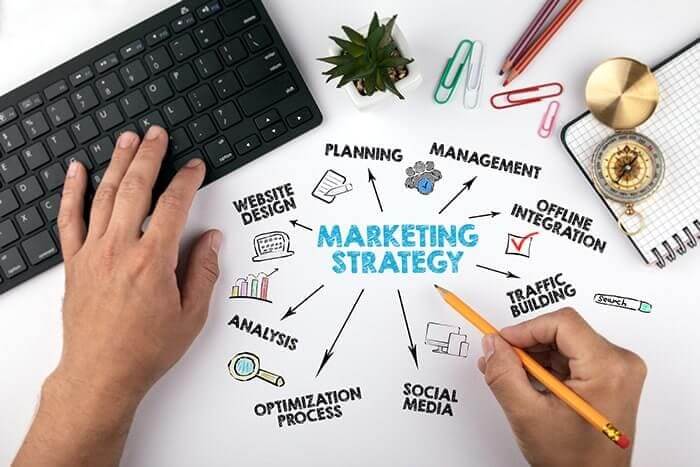
In the current digital landscape, basic marketing tactics are no longer sufficient to secure a competitive edge. As consumer behavior becomes more fragmented and sophisticated, businesses must pivot from broad-spectrum outreach to precision-engineered strategies. Achieving sustainable growth requires a deep integration of data analytics, psychological drivers, and technological agility. This article explores advanced marketing methodologies that elevate a brand from being seen to being essential.
The Shift Toward Predictive Analytics
Modern marketing has moved beyond reactive reporting. The most successful organizations now utilize predictive analytics to anticipate consumer needs before the customer explicitly expresses them. By leveraging machine learning models, companies can analyze historical purchasing data, browsing habits, and engagement patterns to forecast future behaviors.
When you can predict which customers are at risk of churning or which prospects are ready for an upsell, your marketing efforts shift from cold outreach to surgical intervention. This approach minimizes wasted ad spend and maximizes customer lifetime value. Implementing these models requires robust data infrastructure, ensuring that inputs from your CRM, website, and social channels are clean, unified, and actionable.
Implementing Hyper-Personalization at Scale
Personalization is a term often overused, yet rarely executed to its full potential. True hyper-personalization goes beyond inserting a first name into an email subject line. It involves creating unique, dynamic experiences for every individual user based on their specific journey.
Strategies for Scaled Personalization
-
Dynamic Content Insertion: Modify website headlines, images, and calls-to-action based on the referral source or the visitor’s past interactions with your brand.
-
Behavioral Triggering: Automate responses to specific user milestones, such as abandoning a cart, viewing a pricing page multiple times, or completing a tutorial.
-
Segment of One: Utilize AI to curate product recommendations or content suggestions that are tailored to the individual rather than a broad demographic cohort.
By treating each customer as a distinct entity, you dramatically increase the likelihood of conversion. The goal is to provide value that feels bespoke, reducing friction in the decision-making process.
The Power of Account-Based Marketing (ABM)
For B2B organizations, broad-reaching campaigns are often inefficient. Account-Based Marketing flips the traditional funnel by focusing resources on a select group of high-value accounts. Instead of casting a wide net, ABM treats individual accounts as markets of one.
Success in ABM depends heavily on the alignment between marketing and sales departments. Both teams must agree on the definition of a high-value target and collaborate on the creation of personalized messaging and content. When you engage multiple stakeholders within an organization through tailored whitepapers, private webinars, or direct outreach, you bypass the noise of generic marketing and establish your brand as a trusted partner rather than just another vendor.
Integrating Behavioral Economics
Marketing is, at its core, the study of human decision-making. Incorporating principles from behavioral economics allows brands to nudge customers toward desired outcomes more effectively. People do not always act rationally; they are influenced by cognitive biases and heuristics.
Key Concepts to Apply
-
Social Proof: Highlight the choices of others to validate a decision. This is not just about testimonials but about displaying real-time data, such as how many people are viewing a product or have recently purchased it.
-
Loss Aversion: Humans generally feel the pain of a loss more intensely than the pleasure of a gain. Phrasing offers in terms of what the customer might miss out on often drives higher conversion rates than highlighting potential benefits.
-
The Decoy Effect: Strategically price your tiers to make your preferred option look like the clear, superior value choice compared to a slightly less attractive alternative.
By weaving these psychological cues into your copy, design, and pricing structures, you guide the customer journey with greater precision.
Advanced Content Orchestration
Content remains the cornerstone of authority, but the strategy must evolve from volume-based production to orchestration. Advanced content marketing is about delivering the right message in the right format at the specific point in the buyer’s journey where it provides the most utility.
An orchestrated approach involves mapping content to specific user intent. Top-of-funnel content should focus on solving educational problems without a hard sell. Middle-of-funnel content should address specific pain points and offer comparisons or solutions. Bottom-of-funnel content must focus on trust, verification, and reducing purchase anxiety. Furthermore, repurposing high-performing assets into various formats—such as transforming a long-form article into a short-form video series or an infographic—ensures that your message reaches diverse segments of your audience across their preferred channels.
Leveraging Dark Social and Community Building
A significant portion of brand discovery and recommendation occurs in channels that are difficult to track, known as dark social. This includes private messaging apps, email threads, and closed group discussions. Rather than trying to force tracking on these interactions, advanced marketers focus on building community.
When a brand fosters a community where users can interact with each other and with brand experts, they create an environment of authentic advocacy. This community-led growth is powerful because it is self-sustaining and provides high-quality feedback loops. Encourage user-generated content, host exclusive events for your top advocates, and participate in industry forums. By moving from being a broadcast entity to being a community hub, you cultivate deeper loyalty and word-of-mouth marketing that cannot be bought.
Optimizing for Conversational Marketing
The rise of conversational interfaces, such as chatbots and voice assistants, has changed how users expect to interact with brands. Users are no longer content to wait for a 24-hour email response; they expect immediate, context-aware assistance.
Conversational marketing utilizes real-time communication to engage users immediately. A well-designed chatbot can qualify leads, answer frequently asked questions, and even finalize sales. However, the key is balancing automation with human empathy. Ensure that your automated systems can seamlessly transfer the conversation to a human representative when a query becomes complex or emotionally charged. This hybrid model ensures efficiency without sacrificing the personal touch that builds long-term trust.
Frequently Asked Questions
How does zero-party data differ from first-party data in advanced strategies?
Zero-party data is information that a customer intentionally and proactively shares with a brand, such as preferences in a preference center or answers to a survey. It is highly accurate and provides direct insight into customer intent, whereas first-party data is collected indirectly through tracking behavior.
What is the role of creative fatigue in advanced marketing campaigns?
Creative fatigue occurs when an audience has seen an advertisement or piece of content so many times that it no longer triggers a response. Advanced marketers mitigate this by implementing automated creative rotation and testing multiple ad variations to keep messaging fresh and relevant.
How can small businesses adopt advanced marketing without massive budgets?
Small businesses can focus on niche segmenting and leveraging organic community building. By focusing deeply on a very specific audience, they can execute high-impact personalization and content orchestration without needing the broad-reaching, expensive campaigns of large corporations.
Why is customer lifetime value more important than acquisition cost in the long run?
While acquisition cost is important for short-term growth, customer lifetime value determines the long-term profitability and sustainability of a business. High acquisition costs can be justified if the customer’s lifetime value is high enough, ensuring the business remains profitable over time.
What are the primary ethical considerations when using AI in marketing?
Ethical concerns primarily revolve around transparency, data privacy, and bias. Marketers must ensure they are transparent about how they use data, protect user privacy, and audit their algorithms to ensure they are not reinforcing discriminatory practices or stereotypes.
How do you measure the success of community-led marketing efforts?
Success is measured through qualitative and quantitative metrics, including engagement levels, the volume of user-generated content, sentiment analysis of community discussions, and the referral rates coming from community members compared to other channels.