

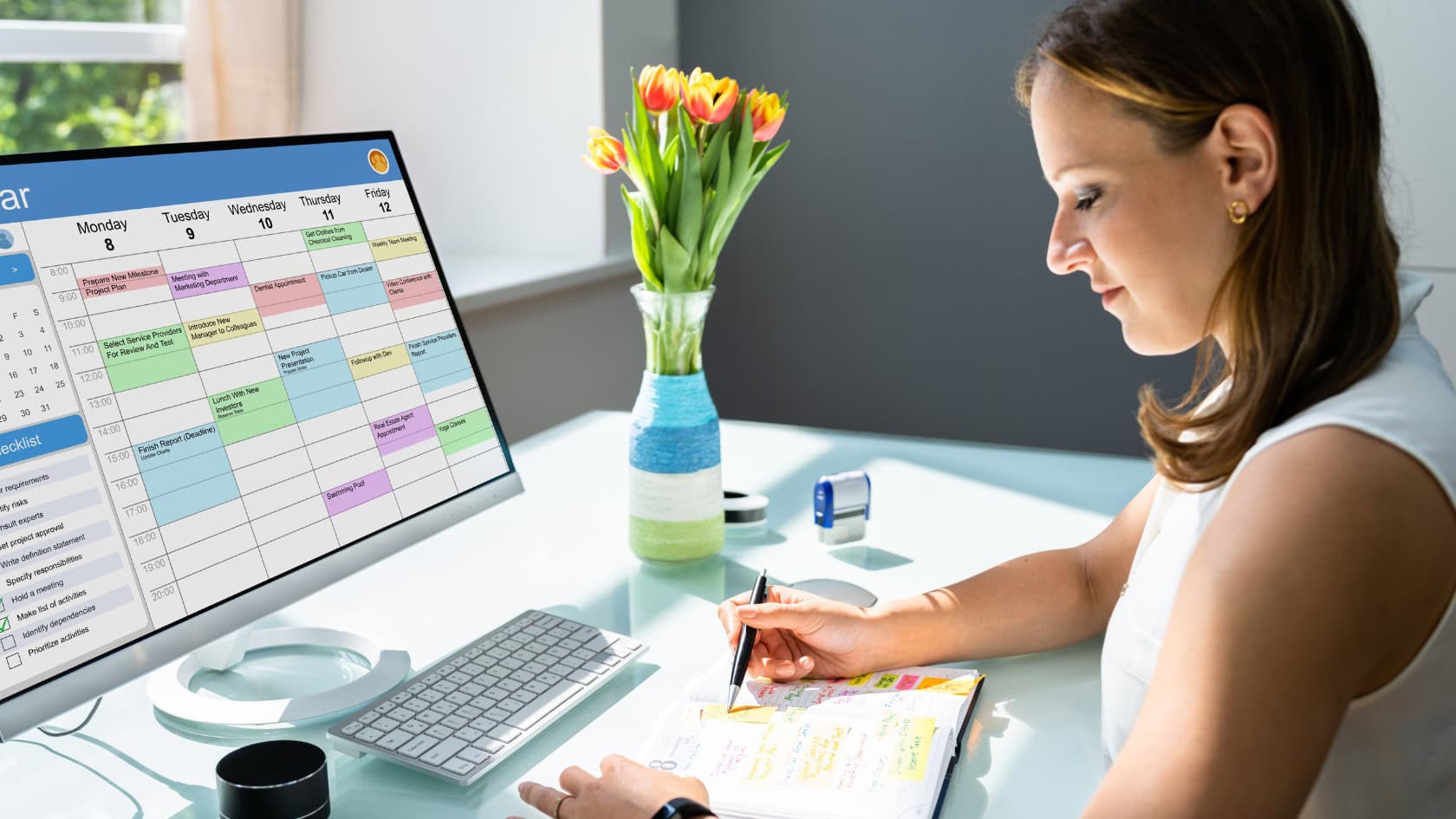
In the digital era, social media is the most potent engine for business visibility and audience engagement. Yet, many creators and business owners approach their social media presence with a reactive mindset, posting content only when they have a spare moment. This spontaneous approach is the primary reason for stagnation. To achieve consistent growth, you must move from chaos to structure by implementing a robust content calendar. A content calendar is not just a scheduling tool; it is a strategic blueprint that ensures your messaging remains aligned with your broader business goals while keeping your audience engaged.
Why a Content Calendar is Essential for Scaling
Consistency is the currency of social media algorithms. Platforms prioritize accounts that provide regular, high-quality content because it keeps users on their apps for longer periods. When you post randomly, you fail to build a habit for your followers, and the algorithm struggles to categorize your influence.
A content calendar solves this by allowing you to batch your creative efforts. Instead of stressing daily about what to post, you can dedicate specific time blocks to planning, writing, and designing. This shift reduces burnout, improves the quality of your output, and allows you to analyze performance data to refine your strategy over time.
Phase 1: Define Your Goals and Pillars
Before you open a spreadsheet or a scheduling app, you must determine what you want to achieve. Social media growth is a vague target; you need specific objectives. Are you looking to increase brand awareness, drive website traffic, or build a community for lead generation?
Once your goals are set, define your content pillars. These are the three to five core themes that your brand will consistently discuss. For example, a fitness coach might focus on nutrition tips, workout tutorials, client success stories, and personal development. By sticking to these pillars, you ensure that every post contributes to your authority in your niche rather than confusing your audience with unrelated topics.
Phase 2: Audit Your Platforms and Audience
Not every social media platform requires the same strategy. A post that performs well on LinkedIn might fail on Instagram. During the planning phase, identify where your target audience spends their time and what format of content they prefer.
If you are a B2B service provider, your calendar should emphasize LinkedIn and potentially X for industry discourse. If you are a lifestyle brand, prioritize visual platforms like Instagram, TikTok, or Pinterest. By tailoring your content to the specific nuances of each platform, you increase the likelihood of reach and engagement.
Phase 3: Choose Your Tools
Complexity often leads to abandonment. Do not overcomplicate your workflow at the start. Your content calendar can be as simple as a shared spreadsheet or as advanced as a professional social media management platform. The key is that the tool must be accessible to everyone on your team and easy to update.
Your calendar should include the following fields for each post:
-
Date and time of publication
-
The primary platform
-
The content pillar it addresses
-
Copy or caption drafts
-
Visual or video assets
-
Call to action (CTA)
-
Status (e.g., in progress, ready, posted)
Phase 4: The Art of Batch Creation
The biggest mistake creators make is trying to create content on the day of posting. This inevitably leads to low-quality, rushed work. The power of a content calendar lies in batching. Dedicate one or two days per month to create all your graphics, film your videos, and write your captions.
When you batch, you enter a “flow state” that is impossible to achieve when switching between tasks every few hours. You can maintain a consistent brand voice across all your posts because you are working on them in the same session. This process also allows you to see the “big picture” of your content for the month, ensuring that your messaging flows logically from one week to the next.
Phase 5: Balancing Value and Promotion
A common pitfall in social media growth is becoming too promotional. If every post is a sales pitch, your audience will quickly tune you out. A successful content calendar follows the 80/20 rule: 80 percent of your content should provide value, education, or entertainment, while only 20 percent should be dedicated to promoting your products or services.
Educational content establishes your expertise. Entertaining content builds an emotional connection. Once you have built that relationship, your audience will be much more receptive to your promotional offers. Your calendar should visually map out this balance, ensuring you are not hitting your audience with too many sales posts in a row.
Phase 6: Analyze and Iterate
A content calendar is a living document. Growth requires constant optimization based on data. At the end of each month, review your calendar against your analytics. Look for the posts that received the highest engagement and try to identify the variables: Did you use a video instead of an image? Was the hook more compelling? Did you post at a different time?
Use these insights to inform the next month of planning. If a certain pillar is not resonating with your audience, cut it. If a specific format is driving record traffic, double down on it. This feedback loop is what transforms a simple calendar into a growth engine.
Frequently Asked Questions
How far in advance should I plan my social media content?
A lead time of two to four weeks is ideal for most businesses. Planning too far ahead can make your content feel stale or disconnected from current trends, while planning day-to-day creates unnecessary stress and lack of focus.
How do I handle sudden trends or breaking news within a structured calendar?
Always leave a few “white spaces” or empty slots in your calendar for reactive content. This allows you to jump on industry trends or respond to news without disrupting the overall strategic plan you have already created.
What is the most effective way to repurpose content across different platforms?
Focus on the “hero content” approach. Create one long-form piece of content, such as a video or a blog post, and break it down into smaller snippets for other platforms. A single interview can become three Instagram reels, five tweets, and a LinkedIn carousel.
Is it better to post every day or focus on higher quality less frequently?
Consistency is generally more important than frequency for long-term growth. It is better to commit to a schedule of three high-quality posts per week that you can actually maintain, rather than trying to post daily and burning out after two weeks.
How do I maintain a consistent brand voice when multiple people are managing the calendar?
Create a brand style guide that clearly defines your tone, vocabulary, and visual aesthetic. Having a shared document with examples of “on-brand” versus “off-brand” communication ensures that everyone contributing to the calendar stays aligned.
Should I use automated posting tools, or is manual posting better?
Automated tools are essential for scaling and maintaining consistency. While some platforms may offer slight organic advantages for native posting, the time saved and the reliability offered by scheduling tools far outweigh the minor algorithmic benefits of posting manually.
What should I do if my engagement drops suddenly?
Do not panic or immediately change your entire strategy. Look at your content calendar and compare the underperforming posts to previous high-performing ones. Often, a drop in engagement is due to a change in the platform algorithm or simply a mismatch in the timing of the posts, rather than a failure of your long-term plan.