

Construction stands as one of humanity’s most transformative endeavors, shaping the physical landscape in which civilization flourishes. From the earliest days of erecting simple shelters to the complex megastructures of today, construction embodies both art and science—a fusion of creativity, technical expertise, and relentless perseverance. This article explores the multifaceted world of construction, shedding light on its evolution, modern challenges, and the innovative trends shaping its future.
At its core, construction is the process of bringing architectural visions to life by assembling materials and systems to create functional and often aesthetically striking structures. Whether residential, commercial, industrial, or infrastructural, each project is a testament to human ingenuity and collaboration. It requires meticulous planning, an in-depth understanding of materials, and a mastery of engineering principles to ensure safety, durability, and sustainability.
Historically, construction techniques have evolved in tandem with societal advancements. Ancient civilizations like the Egyptians, Greeks, and Romans pioneered building methods that remain marvels of engineering to this day. The Great Pyramids, the Parthenon, and the Roman aqueducts all demonstrate an early mastery of structural integrity, precision, and resource management. These early feats were achieved without modern machinery, relying heavily on manual labor, rudimentary tools, and a profound understanding of geometry and physics.
Fast forward to the Industrial Revolution, and construction underwent a dramatic transformation. The introduction of steel, concrete, and mechanized equipment accelerated the pace and scale of projects. Skyscrapers emerged as icons of urban progress, fundamentally changing city skylines and the way people live and work. The innovation of reinforced concrete allowed architects and engineers to push boundaries, creating taller, stronger, and more resilient buildings.
Today’s construction industry operates in an environment shaped by technological advancements and increasing demands for sustainability. Modern construction is no longer just about erecting buildings; it’s about creating smart, environmentally responsible structures that integrate seamlessly with their surroundings. The rise of Building Information Modeling (BIM) exemplifies this shift—allowing teams to design, simulate, and analyze every aspect of a project in a virtual environment before ground is even broken. BIM fosters greater collaboration, reduces errors, and enhances efficiency throughout the project lifecycle.
Sustainability has become a cornerstone of contemporary construction practices. With the global focus on reducing carbon footprints and mitigating climate change, architects and builders are increasingly adopting green building principles. This involves the use of energy-efficient materials, renewable energy sources, and innovative design strategies that minimize waste and conserve natural resources. Certifications such as LEED (Leadership in Energy and Environmental Design) guide these efforts, ensuring that new developments contribute positively to environmental stewardship.
However, the construction industry faces significant challenges that demand innovative solutions. Labor shortages, rising material costs, and regulatory complexities can delay projects and inflate budgets. The COVID-19 pandemic further underscored vulnerabilities in supply chains and workforce availability, prompting a reexamination of traditional construction models. In response, many companies are turning to automation and prefabrication techniques to streamline processes. Modular construction, where building components are manufactured off-site and assembled on-site, offers time savings, improved quality control, and reduced environmental impact.
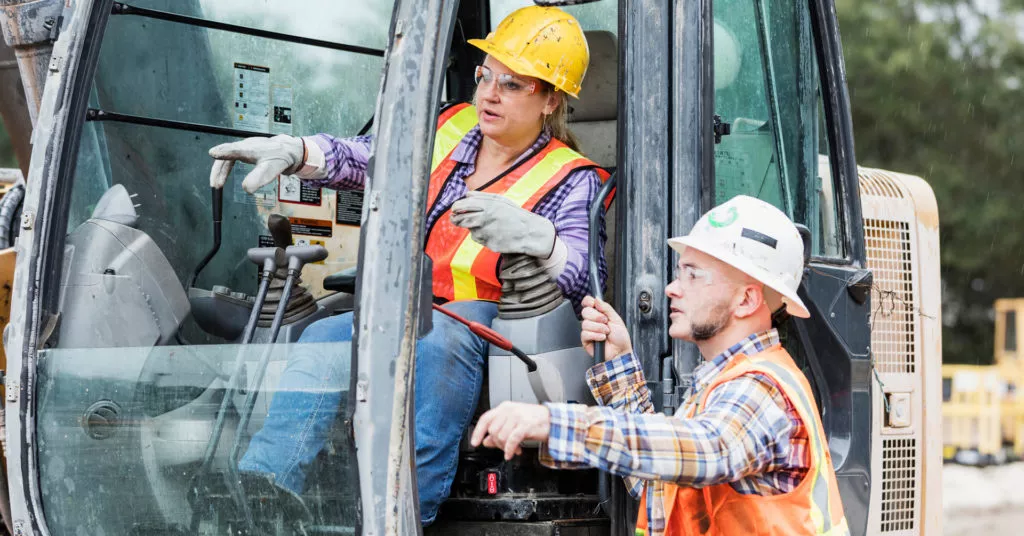
Safety remains a paramount concern in construction. Despite advances in technology and regulations, construction sites are inherently risky environments. Falls, equipment accidents, and exposure to hazardous materials continue to pose threats to workers. Consequently, industry leaders prioritize rigorous safety training, adoption of personal protective equipment (PPE), and implementation of digital monitoring systems that track compliance in real time. Innovations such as drones and wearable sensors now enhance site safety by providing immediate data on potential hazards.
The human element in construction should never be overlooked. Behind every structure lies the expertise, dedication, and hard work of countless professionals—from architects and engineers to laborers and project managers. Their ability to coordinate complex operations, solve unforeseen problems, and adapt to dynamic conditions is what ultimately transforms blueprints into reality. Moreover, fostering diversity and inclusion within construction teams enriches the industry by bringing a wider array of perspectives and skills to bear.
Looking ahead, the future of construction promises to be even more dynamic. Emerging technologies such as 3D printing hold the potential to revolutionize building methods by enabling the creation of custom components with unprecedented precision and speed. Artificial intelligence and machine learning will increasingly optimize project planning and risk management. Meanwhile, the growing emphasis on smart cities will demand construction projects that integrate digital infrastructure with traditional architecture, creating environments that are responsive, efficient, and deeply connected.
In conclusion, construction is far more than the mere assembly of materials; it is an enduring human pursuit that combines creativity, engineering prowess, and collaborative effort. Its evolution reflects humanity’s progress and aspirations, continually adapting to new challenges and technologies. As we build upward and outward into the future, construction will remain a vital force shaping not only the spaces we inhabit but also the very fabric of society itself. The artistry and precision of construction remind us that the structures we create are enduring legacies—monuments to human vision, resilience, and the relentless drive to shape the world for generations to come.